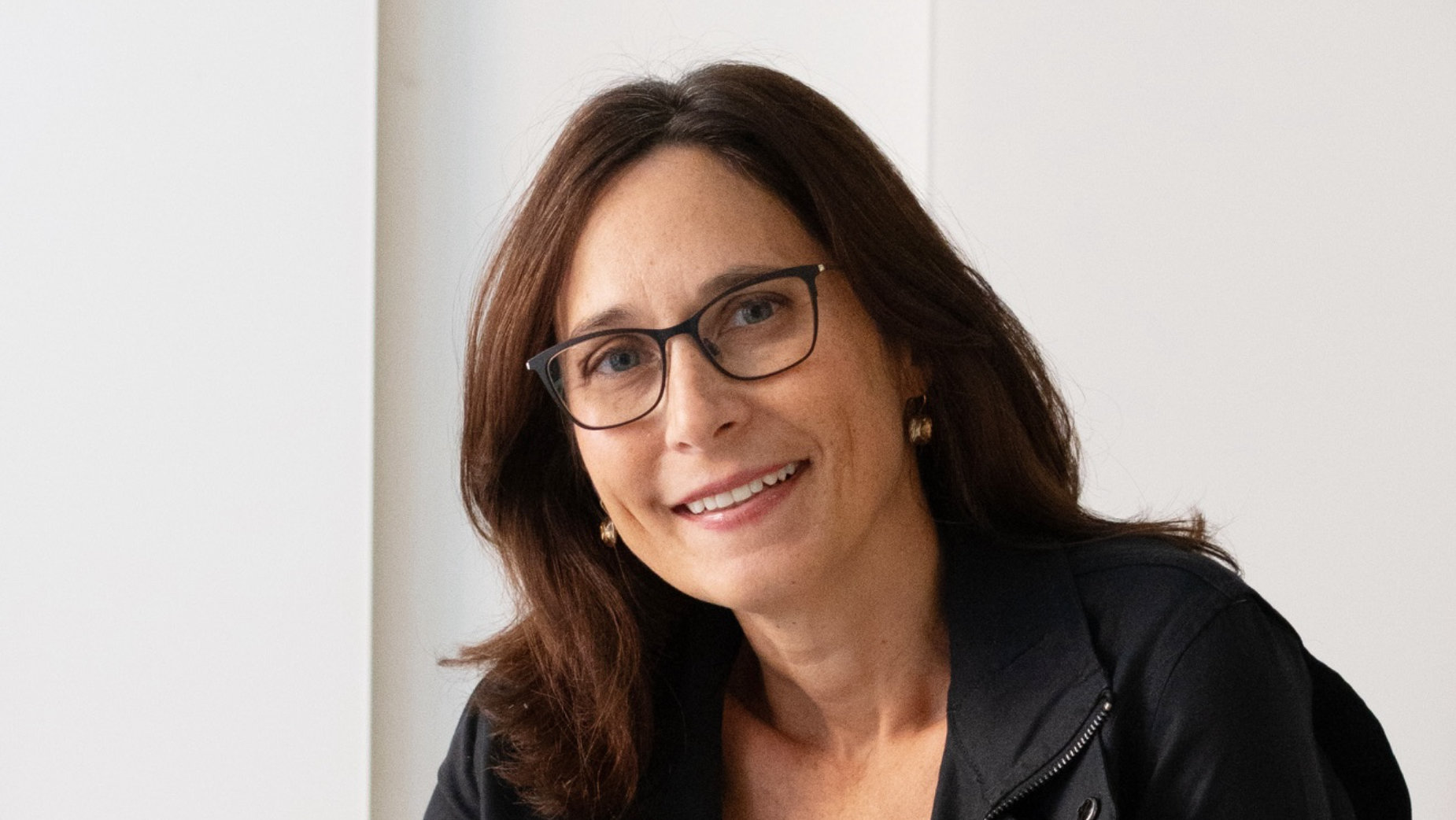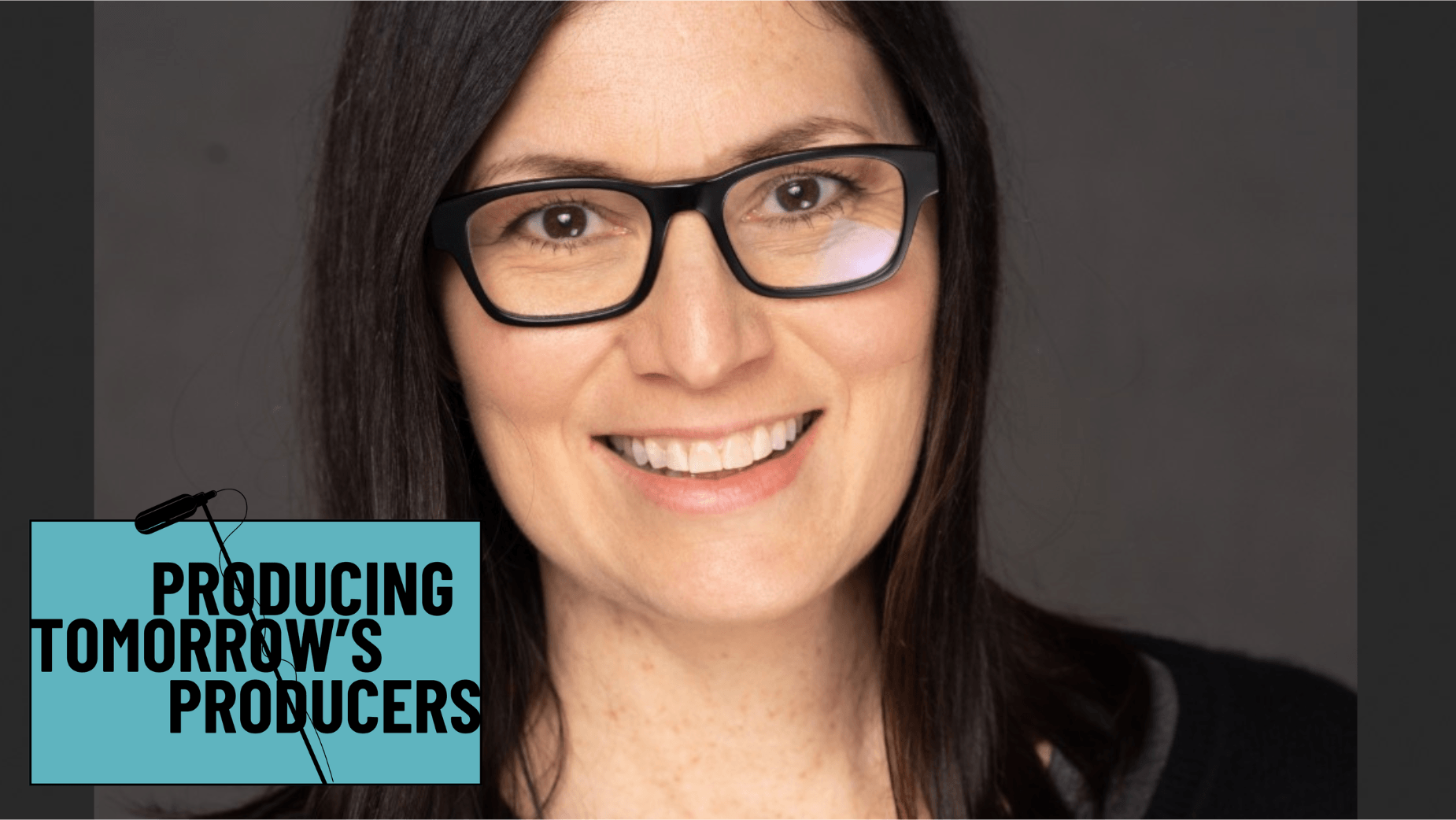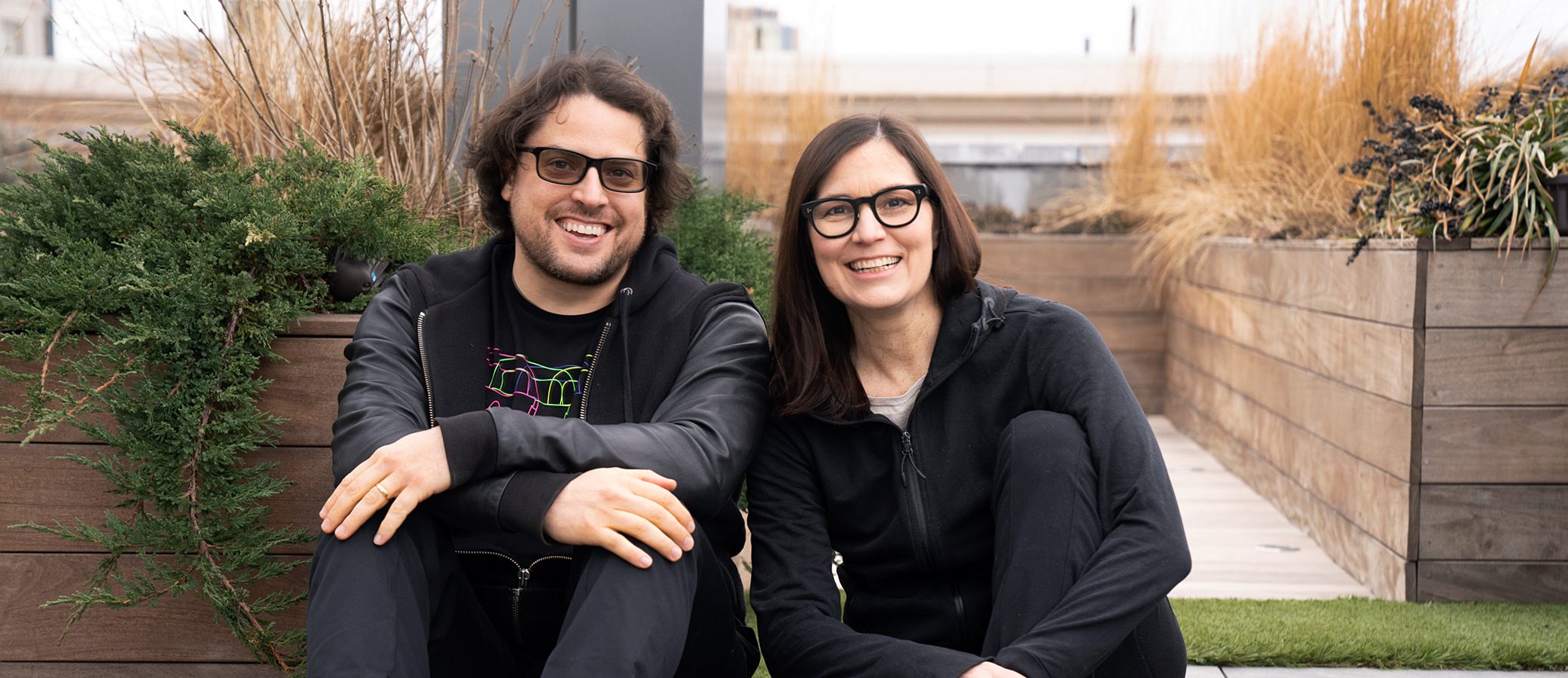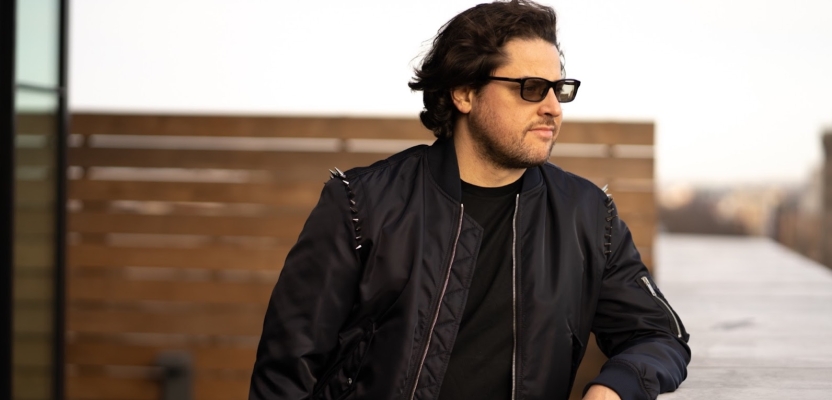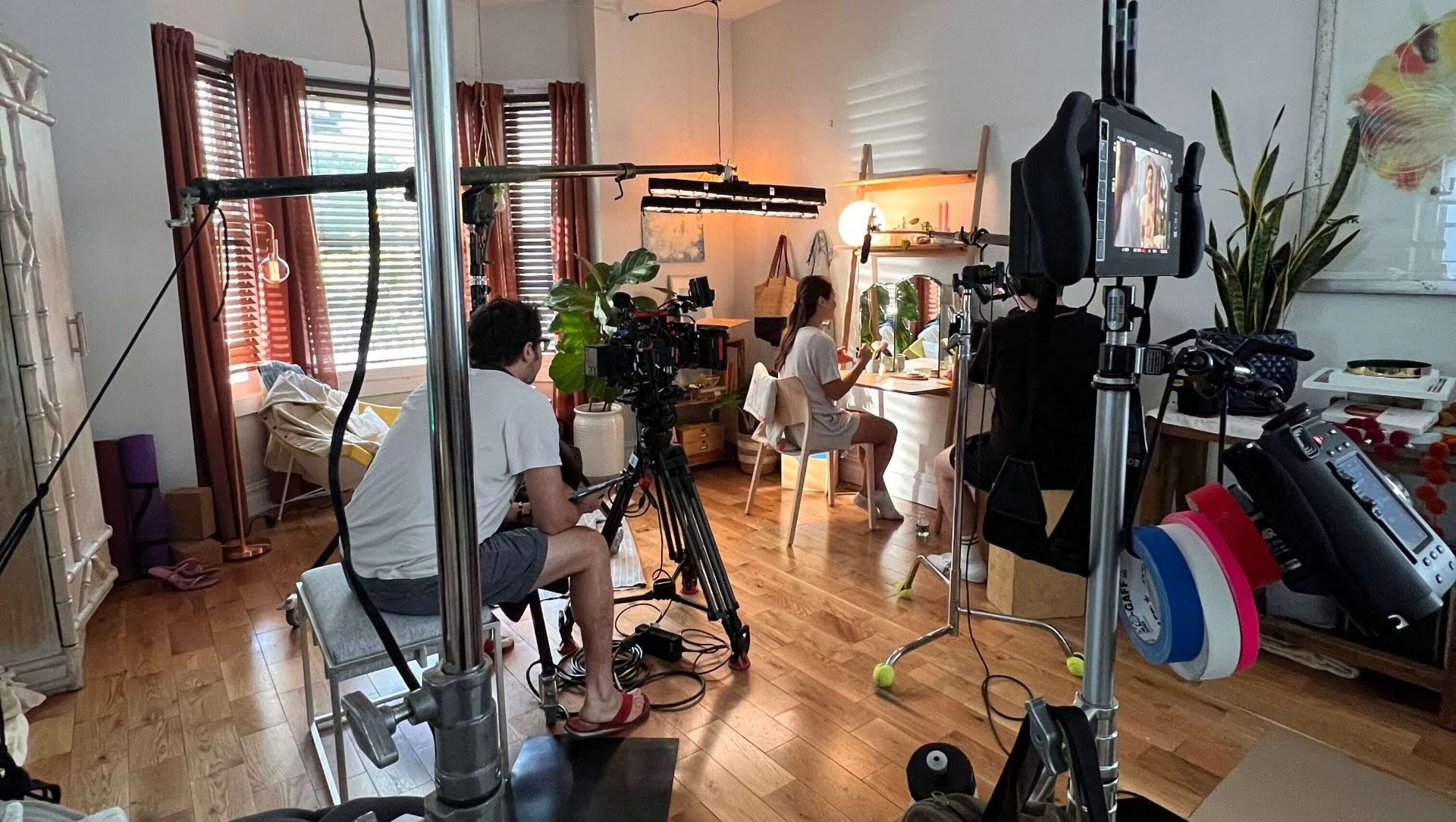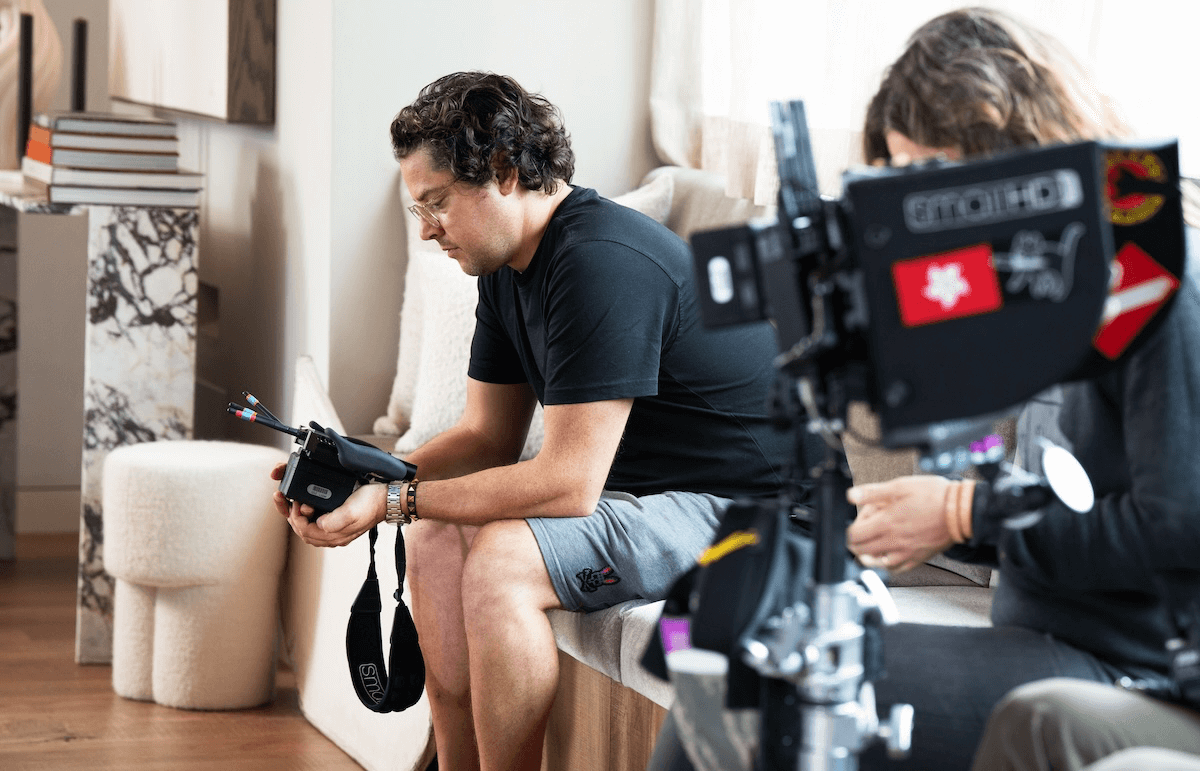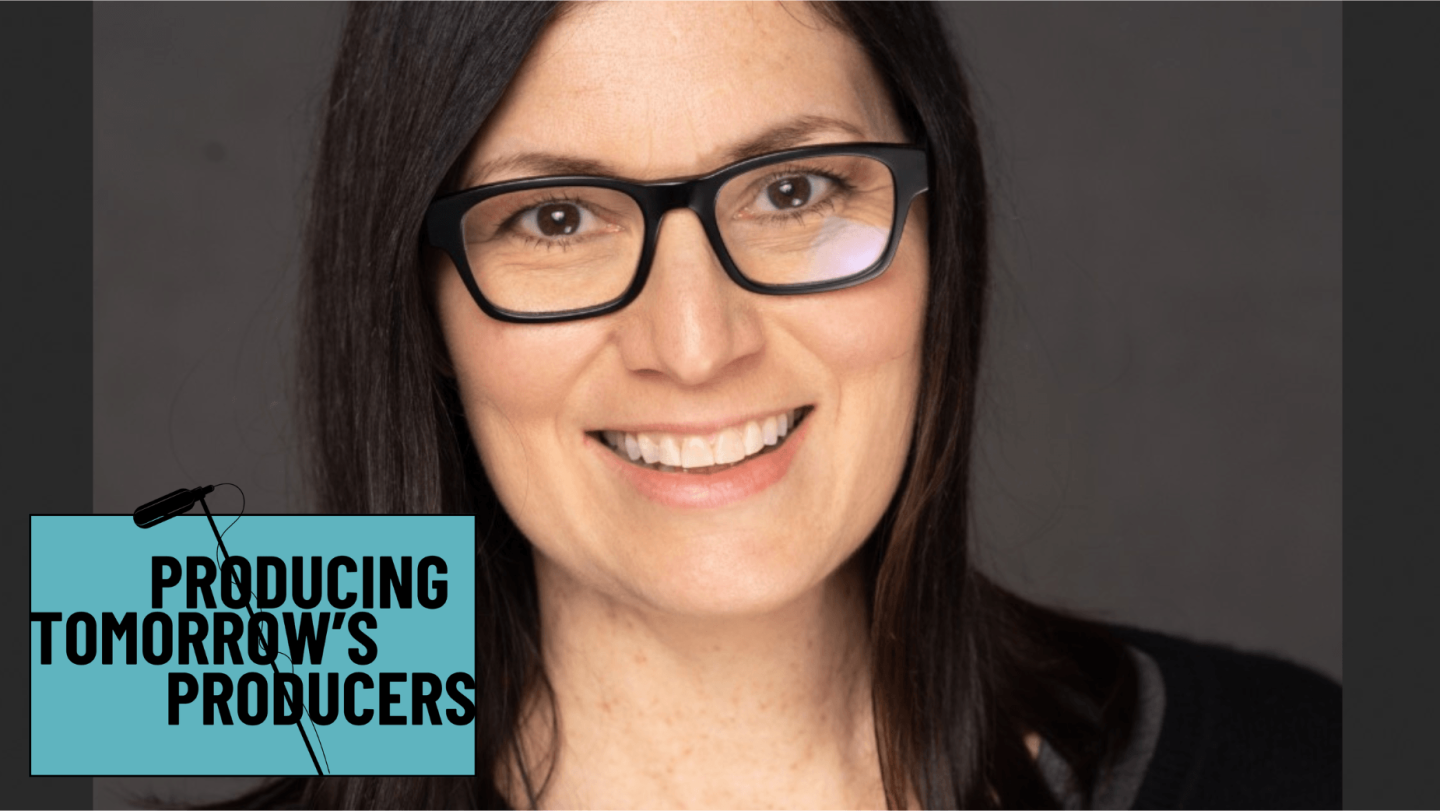



The Open Swim executive producer looks back on over three decades in the production industry, and shares the most valuable lessons she’s learnt along the way, as part of LBB’s Producing Tomorrow’s Producers series.
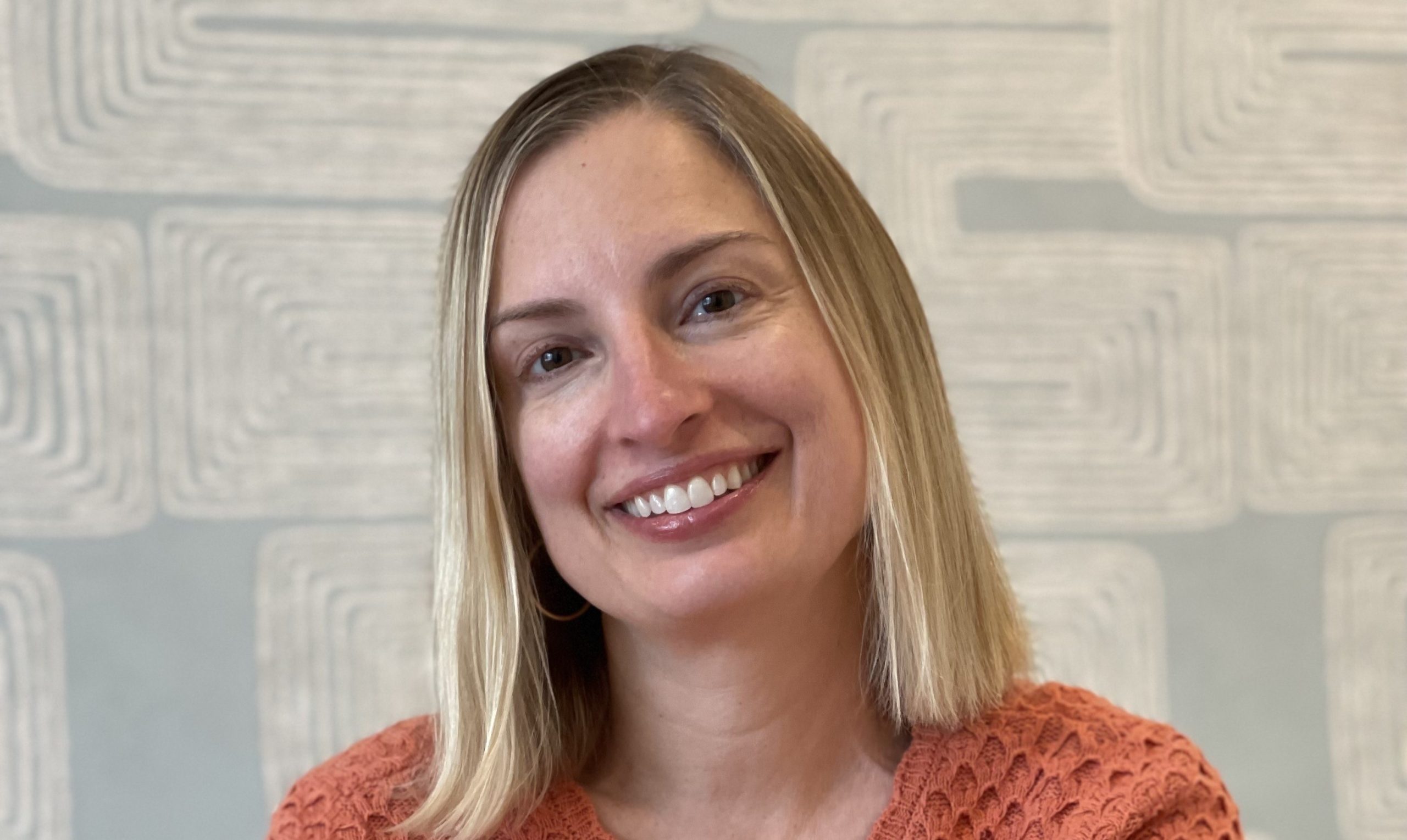
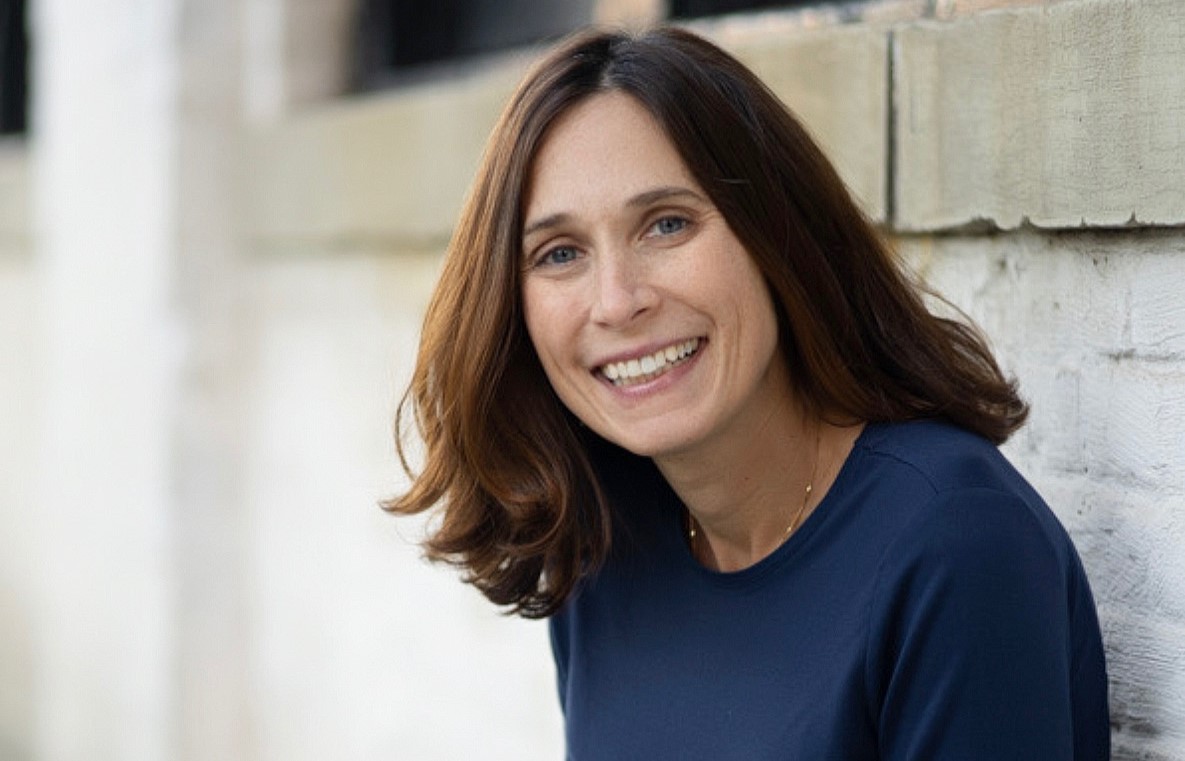
Amyliz Pera has a diverse history in entertainment and advertising, with over thirty-five years in the industry as a performer, choreographer, writer/producer, and executive producer.
Her early years in theatre fostered a lasting belief in the strength of making things with others and drew her to producing as a way to engage more holistically in the creative process and champion people she believed in. That pursuit led to roles across ad agencies, photo studios, editorial and post, music houses, animation, and production. A key member of Twist for twenty years, she helmed its East Coast headquarters, working with clients including Target, 3M, Apple, McDonald’s, and the Ad Council.
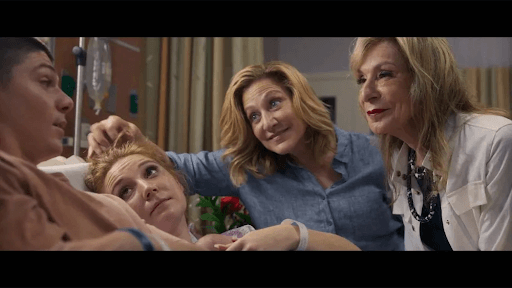
She later joined fellow Twist alum Bradley J. Ross to launch Open Swim for commercial and feature work. Throughout her career, Pera has reimagined traditional company structures through collective models. Alongside active commercial work, she is currently helping shepherd Open Swim’s feature ‘The Aftereffect’.
Amyliz sat down with LBB to offer her advice for the next generation of producers, and discuss pathways into production and the basics of storytelling.
LBB> What advice would you give to any aspiring producers or content creators hoping to make the jump into production?
Amyliz> I think an ideal path into production is two-fold – get yourself in a scenario (or on set) to volunteer or shadow someone already experienced in production, and simultaneously make something out of nothing with a small group of people (with full disclosure regarding experience). I do think the latter is really important, regardless of scale or the type of end product being made.
This ignites skills like communication, planning, and problem solving, which informs the reasoning behind industry-specific protocols you’ll learn. A lot of areas in life can benefit from having a producer perspective – you can start with an event or a family trip. If you’re already a content creator, I think growth still happens in the same way – define and push the goals and explore the steps to determine the best-suited path. There is always room for growth and discovery at any experience level.
LBB> What skills or emerging areas would you advise aspiring producers to learn about and educate themselves about?
Amyliz> Some of the soft skills are by far the most important. For example, understanding priorities is paramount, so in a moment where quick decision making is required, you can ask meaningful questions to determine and weigh options. My favourite producers to work with are very kind and considerate. It starts by dismissing the idea of ‘right decisions’, which is stressful for a team. With that mindset, it’s hard when there are almost always variables to make consequential decisions with confidence. Of course, there are other skills that are useful – like learning software and forms, rules and protocols, standard information organisation, and rates. I still think soft skills like how you motivate others to grow, diffuse conflict, establish communication channels, and make decisions are huge contributors to a team.
As far as emerging areas, I think helpful areas to explore are virtual production, previsualisation, AI workflows and capability (specifically in post production). With all of these technologies, the goal is to better determine when it’s a viable or beneficial path. With emerging tech, ancillary issues like ethics, licensing, and legal are all considerations in tandem with cost. I feel like aspiring producers should not be afraid to start with the basics of storytelling and communication with simple tools. All of the other stuff will come and scale as you learn.
LBB> What was the biggest lesson you learned when you were starting out in production – and why has that stayed with you?
Amyliz> As a very young producer who came from a performance background, I was once offered a position and two weeks later was offered a role in a show that I very much wanted to take. I was told, ‘a small percentage of your time working with us is better than none of your time’, and I was encouraged to take the role. That consideration of my personal goals was fuel for so much positivity in me and at the company, and in turn, I was a loyal and well-rounded team member. We continue to espouse that philosophy, and it has served us and all of our team members in a very healthy way. We’ve expanded on that to embrace a generalist philosophy and the richness that comes from reinventing ourselves and our contributions.
LBB> When it comes to broadening access to production and improving diversity and inclusion what are your team doing to address this?
Amyliz> Production, like other industries, reflects inequities in the larger community. One of the particular challenges in our business is that opportunity is so often tied to experience and trust – you need the reel to get the job, but you need the job to build the reel. So part of our role as producers is to figure out how to mitigate the perceived risk and outsmart the cycle without becoming tokenistic.
For me that means, encouragement, access, and recognition of the voices around us while trying to actively create opportunities for people who are still building their experience. One way we’ve approached that is through co-production. We encourage our directors to be on set with one another and collaborate when it makes creative sense. Not every director or project is suited for that arrangement, but co-production enables me to pair established experience with an emerging perspective and create a pathway toward independent opportunity. Sometimes that takes the shape of mentorship, but the goal is meaningful participation rather than simply checking a box.
LBB> And why is it an important issue for the production community to address?
Amyliz> Since we’re in a creative industry, we have an unusual opportunity and responsibility to broaden whose stories are told and who gets to tell them. We’re not only reflecting culture, the images and stories we make help shape it.
Sometimes that means bringing in a director and team with lived experience who can recognise and prioritise story moments, and conversely, there are times when an outsider perspective can bring curiosity, wonder, and fresh consideration to the work. The important thing is being thoughtful about what the communication requires to make sure the collaboration is genuine. There is a particular challenge and richness when we work alongside people whose experiences and assumptions differ from our own, and production can be a uniquely fertile place for stretching our perspectives and understanding one another.
LBB> There are young people getting into production who maybe don’t see the line between professional production and the creator economy, and that may well also be the shape of things to come. What are your thoughts about that? Is there a tension between more formalised production and the ‘creator economy’ or do the two feed into each other?
Amyliz> I do think the two feed into each other in a healthy way. The stakes are different in a creator economy and centered around the individual vs serving several masters. As the creator economy scales, it pushes professional production to pay attention to their audience and it pushes the creators toward greater levels of craft. Our industry used to be one of specialists where everyone stayed in their lane. Casting, editorial, production, animation, photography, creative, media – these things were done under different rooftops, and there was a sense that moving into another discipline was overstepping on someone else’s territory.
Now, the industry has embraced much more of a team mindset – talent can be multi-faceted and emerge from anywhere. That’s truthfully very exciting. I think the creator economy has also challenged some of our assumptions about who gets to make things and what qualifies someone to make them. At the same time, professional production brings craft, collaboration, infrastructure, and the ability to execute at scale. Those things remain enormously valuable. Ultimately, the question about who we’re serving will always rise to the top and keep us honest, and I’m optimistic that professional production, however that continues to be redefined, will remain an important part of our economy.
LBB> If you compare your role to the role of producers when you first joined the industry, what do you think are the most striking or interesting changes?
Amyliz> I’ve been in this industry for over 35 years now. I’ve used fax machines to get creative lists, shipped u-matic reels around the world, pieced together shortends and recans for spec spots, convinced people that there are benefits to digital production, and waited for cell vinyl to dry in an ink and paint department. So many things have changed and continue to change that it’s hard to pin down the most striking.
To address a net result of growth in technology and acknowledge a lot of topics we’ve explored with these questions, the creator economy, more accessible tech, and breaking down of the specialist barriers has enabled creative to come from numerous directions.
Sure, there have been past examples of those lines being blurred before, but now we producers are account executives to client direct relationships and startups, agencies are inviting us to pitch ideas alongside them, and production companies are more frequently crossing from entertainment to advertising.
What has stayed the same? With the many advances in tech and functional design, we’re all still sitting for 10 hours in chairs with no lumbar support.
LBB> When it comes to educating producers how does your agency like to approach this?
Amyliz> I’ve always thought that a strong tech organisation has helped me teach process-driven aspects of our industry. I’ve used a database to train a sales team, our production folders to teach coordinators, and treatment templates to guide directors in communicating and shaping ideas. Sometimes a walk through something structured gives way to conversation around those things that are less tangible.
Truthfully, those conversations that emerge from there and that are unique to each person are the most important. Growth can happen at absolutely every level of this business. I’m still learning so much. We all have things that come naturally and things that elude us.
Sometimes it’s legal or post production – perhaps it’s patience. Often what it takes is one person with the time to listen, help identify those areas of growth, and point toward the right resources. In our business, making that time is no small thing. It’s such a gift when someone can offer it.
LBB> It seems that there’s an emphasis on speed and volume when it comes to content – but where is the space for up and coming producers to learn about craft?
Amyliz> Traditionally craft came from specialisation, but more recently we’ve seen extraordinary craft emerge from people crossing disciplines. So I don’t think we should be discouraged by the demands of speed and volume; craft can come out of some of the executions those demands necessitate.
The need for a lower budget or simpler build has sometimes stretched us to come up with solutions that ultimately are quite complex and creative. When we’re challenged, it can often make space for the unexpected. For instance, I recently experienced a design team that translated their physical specialty to a virtual production, which opened up new possibilities with the execution. We often start with seeking something in reality, then exploring a physical build, and lastly leaning on digital tech. Somewhere in there is a cost-effective and fast solution and a marriage of disciplines that requires so much creativity, and yes, so much craft.
read on
-

Open Swim & territorial Employ a Stunt to Spotlight Trust in Primary Care with Centivo’s New Campaign
-
‘I’ll Be Right There’ Trailer Sees Edie Falco’s Wanda Struggling to Enter a New Chapter of Life (Exclusive)
-
Karen Haberberg Among Featured Speakers at 2026 Women in RARE Workshop
-
Led by Veteran Director/Editor Bradley J. Ross, Open Swim Embarks on its First Feature Film Documentary
-
Open Swim’s Casting Division Lotis Bloom Takes On Company’s New Feature Doc “The Aftereffect,” Directed by Bradley J. Ross
-
Qualia Taps Open Swim for New Campaign Starring Troy Aikman
-
Nutrafol’s Latest Campaign Launched for Fashion Week With Help From Open Swim
-
Amyliz Pera on Mindset, Motivation and Having a “Producer Perspective”
-
Territorial Credits Open Swim & Creative Partners Following Webby Award Win for Centivo’s “How Dare We” Campaign
-
New York Film Academy – A Conversation with Bradley J. Ross
-
Open Swim’s Director Marc André Debruyne Captures the Essence of Filipino Cultural Tradition in Holiday Campaign for Coca-Cola
-
Open Swim CBO Nate Bloom Named Web3 Brand Ambassador for DeLorean
-
Open Swim’s Marc André Debruyne Delivers Powerful Visuals in Latest Campaign For Humana
-
Edie Falco’s ‘I’ll Be Right There’ Comedy Goes to Brainstorm Media (Exclusive)
-
“I’ll Be Right There,” Produced by Open Swim’s Bradley J. Ross & Starring Edie Falco, Makes World Premiere at the Hamptons International Film Festival
-
Open Swim’s Marc André Debruyne Travels The World To Direct Another Chapter of Coca-Cola’s Award-Winning Campaign
-
Open Swim Welcomes New Director of Sales Kathryn Lotis Fisher
-
Open Swim Sails Production’s “Choppy and Thrilling Waters”
-
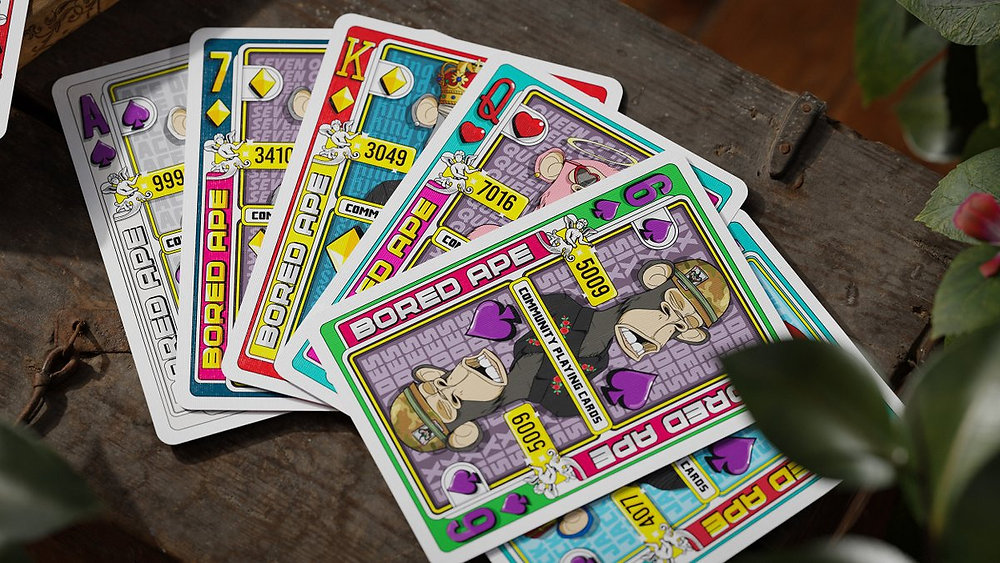
NFT Bored Ape “Nate Digital” Operated by Open Swim’s CTO Nate Bloom Selected for Bicycle’s Latest Card Series
-
Open Swim’s Bradley J. Ross Celebrates Theatrical Release of Feature Film ‘I’ll Be Right There’
-
Thought Leaders: What is Real?
-
Meet the Career Chameleons: Producers
-
Toyota Gears Up For Car Season With Campaign Directed by Open Swim’s Marc André Debryune
-
Open Swim Welcomes Director/Photographer Karen Haberberg with New Campaign for Empower Federal Credit Union
-
Edie Falco To Topline Indie Comedy ‘I’ll Be Right There’ From ‘Nurse Jackie’ Helmer Brendan Walsh; Charlie Tahan, Jeannie Berlin, Bradley Whitford & More Also Set
-
Open Swim adds Lian DesMarais and Jefferson Wenzel
-
2022 Mid Year Report Card Survey Response with Amyliz Pera
-
Open Swim Launches Casting Division, Lotis Bloom, Led By Creative Talent Manager Kathryn Lotis & Producer Nate Bloom
-
Full-service production company Open Swim launches in Brooklyn
-
Open Swim Brings Latest PEDRO x Buzz Lightyear Collaboration to Life
-
Open Swim’s Marc André Debruyne Awarded for Coca-Cola’s “Balikbayan Magic”
-
Five World Premieres Announced
-
Nate Bloom named chief blockchain officer at Open Swim
-
Open Swim & Founder/Director Bradley J. Ross Produces New Film Starring Edie Falco, “I’ll Be Right There”
-
Open Swim Signs Director Marc André Debruyne For U.S. Commercial Representation
-
Open Swim’s Director/Editor Bradley Ross Collaborates On Latest Campaign for StriVectin
-
Open Swim’s Bradley J. Ross Commandeers New Campaign Highlighting Real-Life Wellness Stories for Nutrafol
-
A Guide to Protecting Creative Energy in Times of Crisis